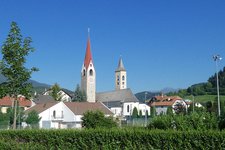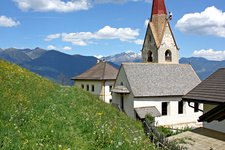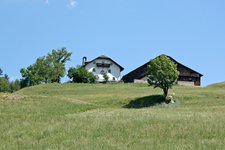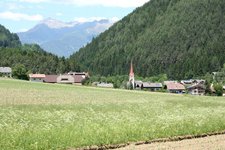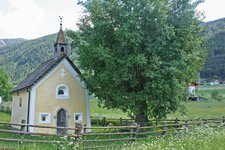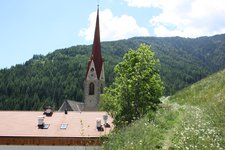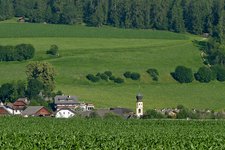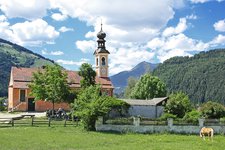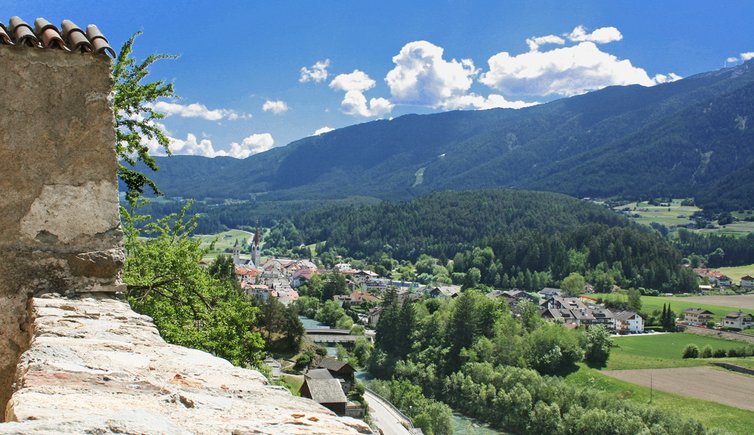
S. Lorenzo is known for its archaeological finds
Image gallery: S. Lorenzo di Sebato

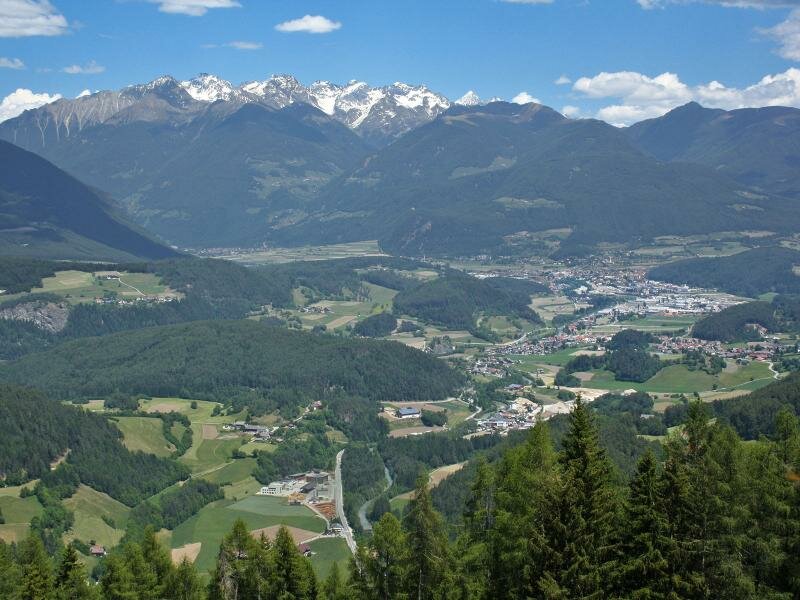
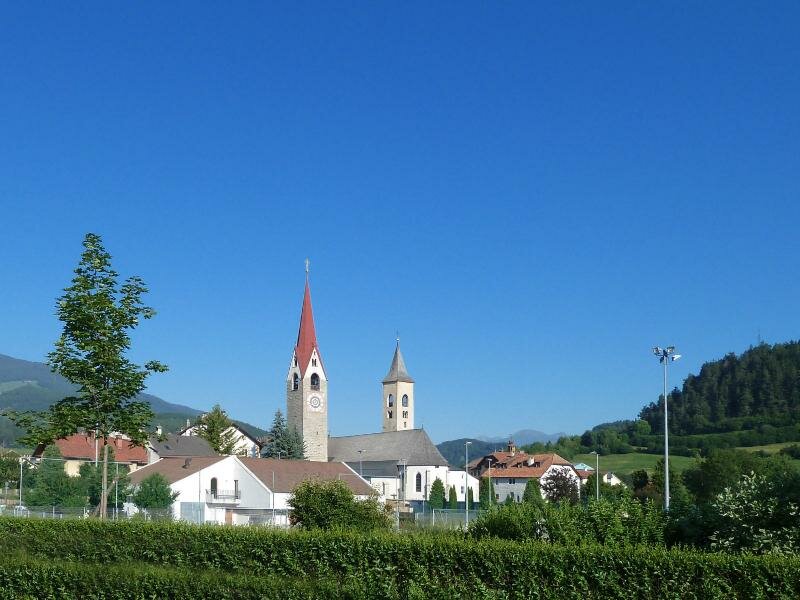
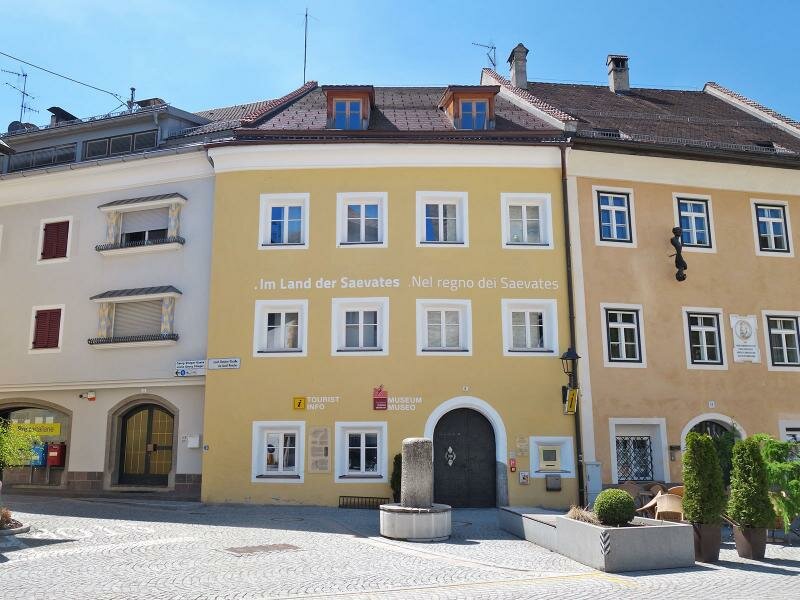
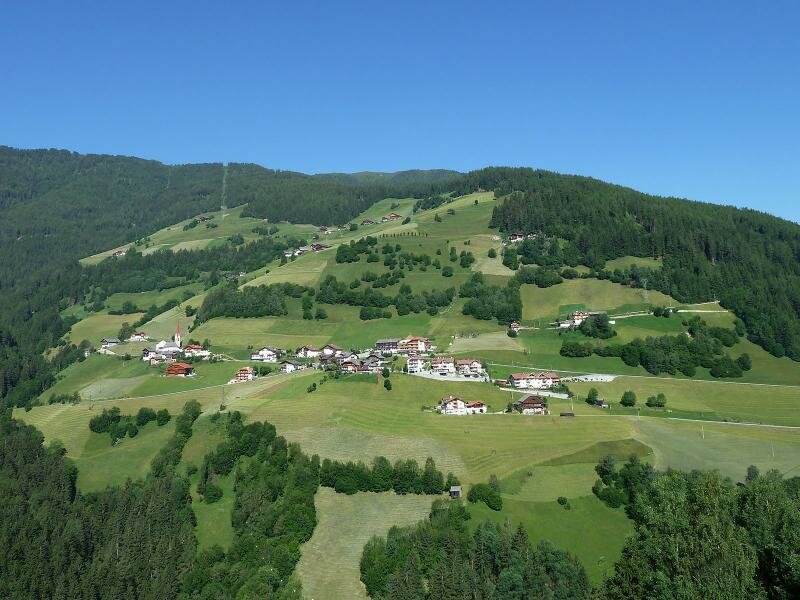
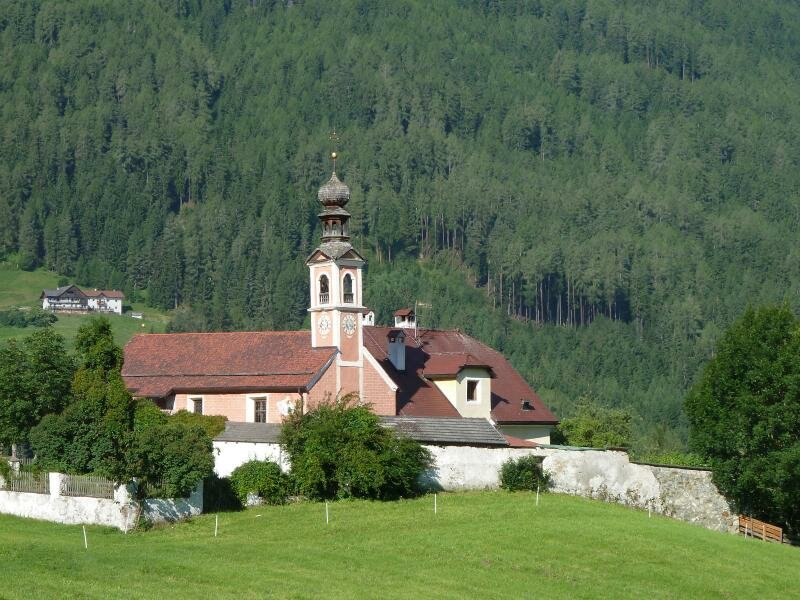
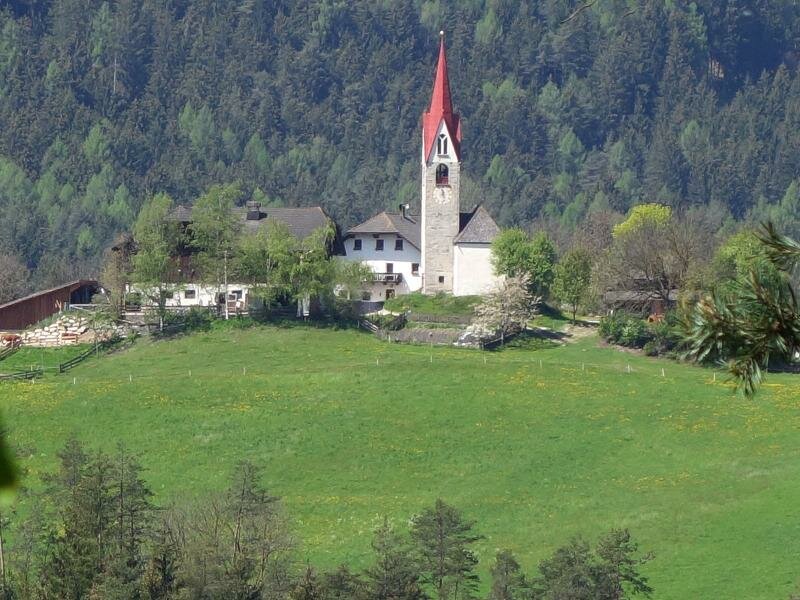
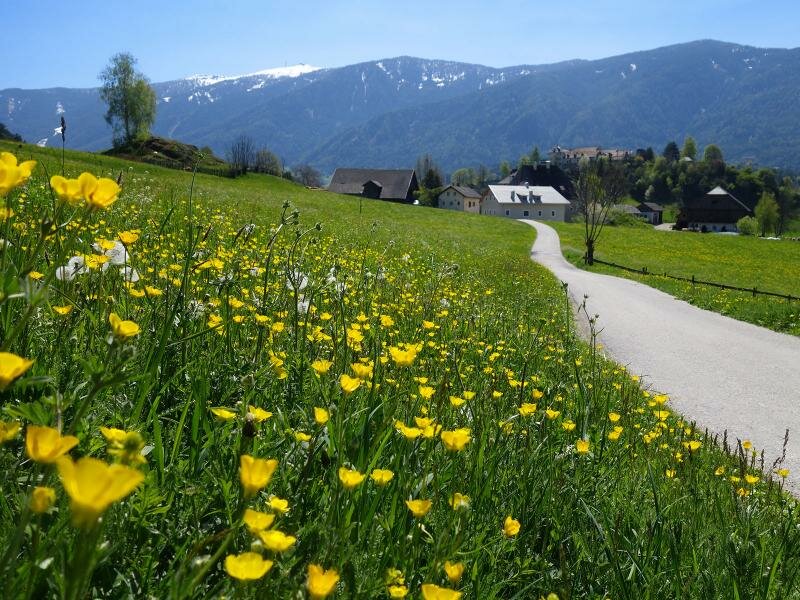
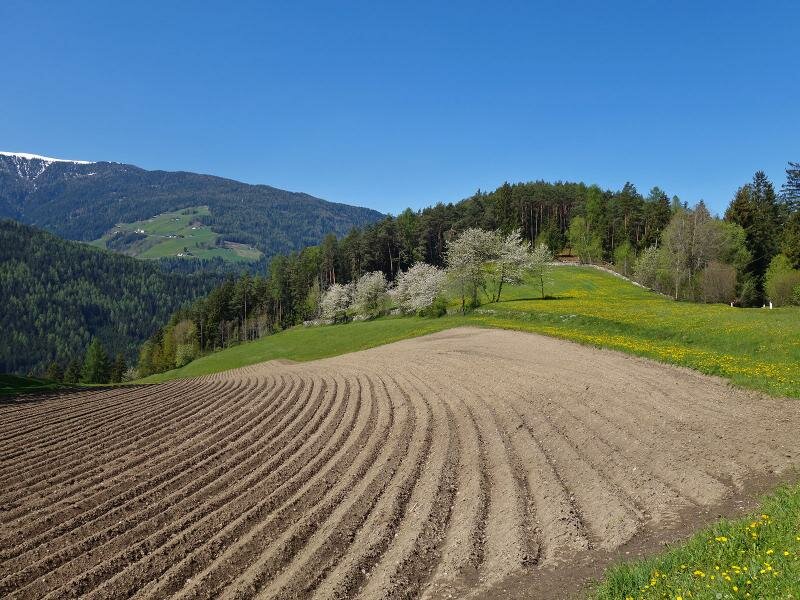
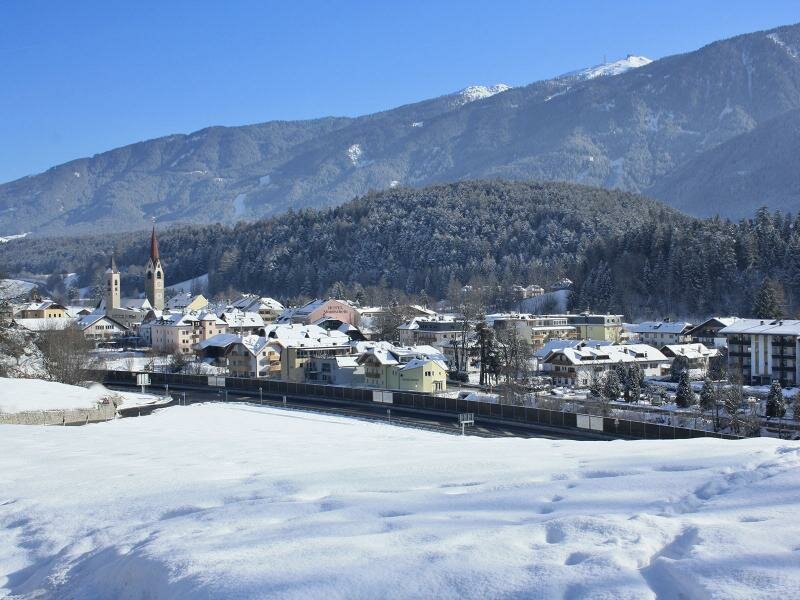
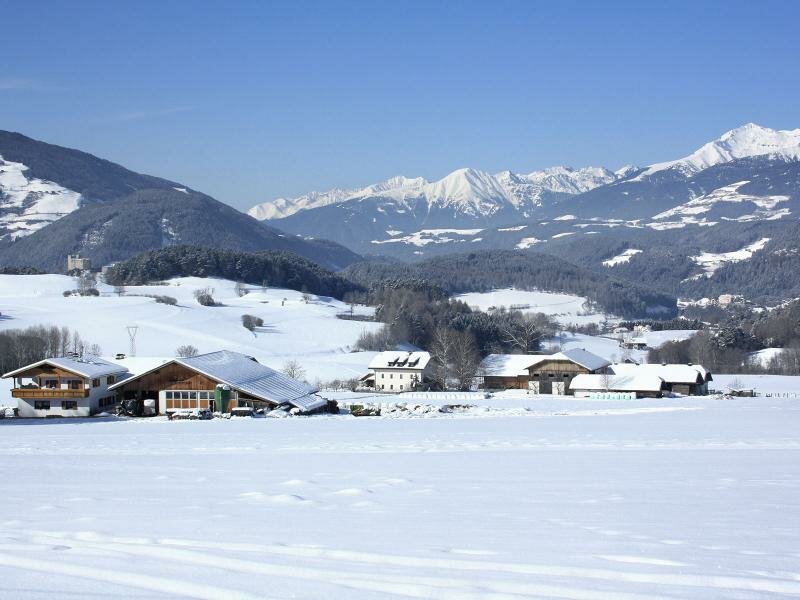
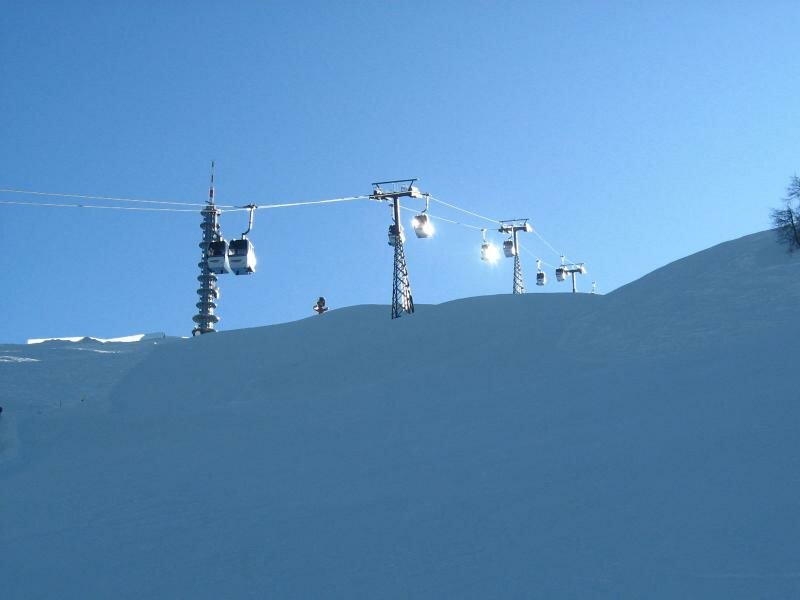
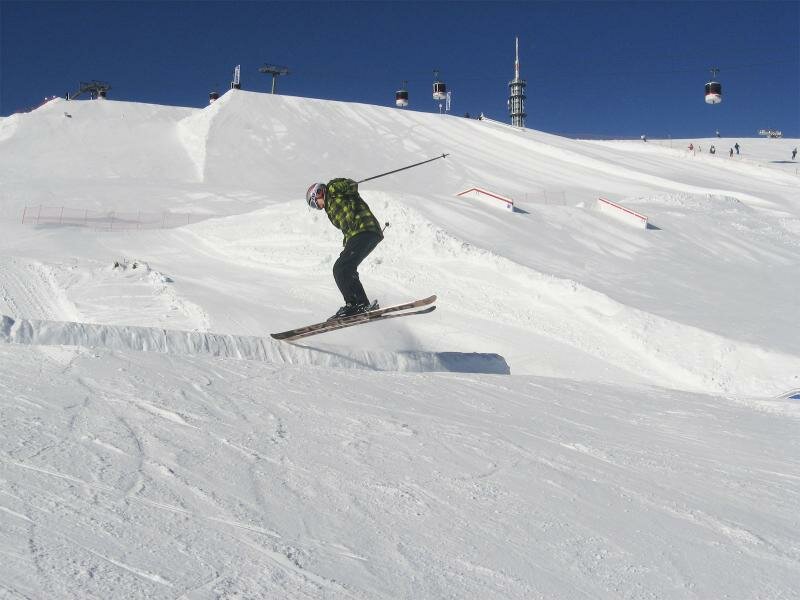
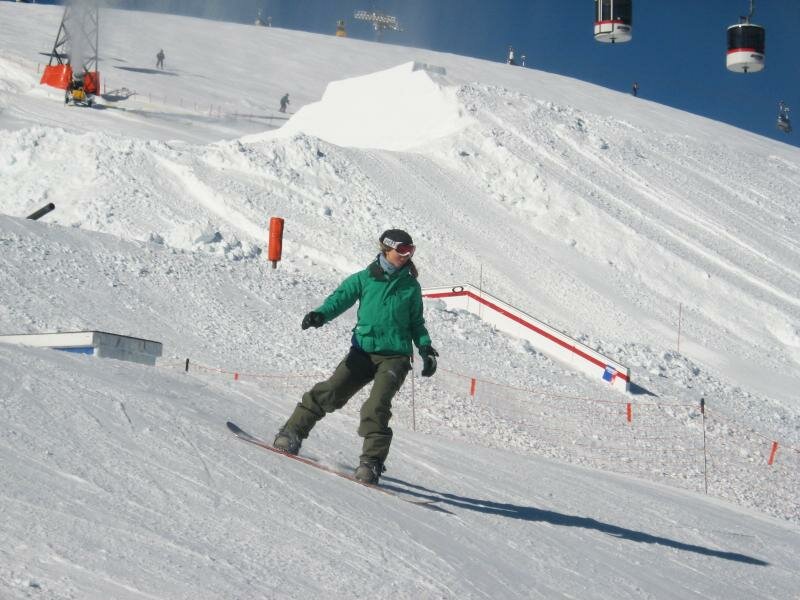
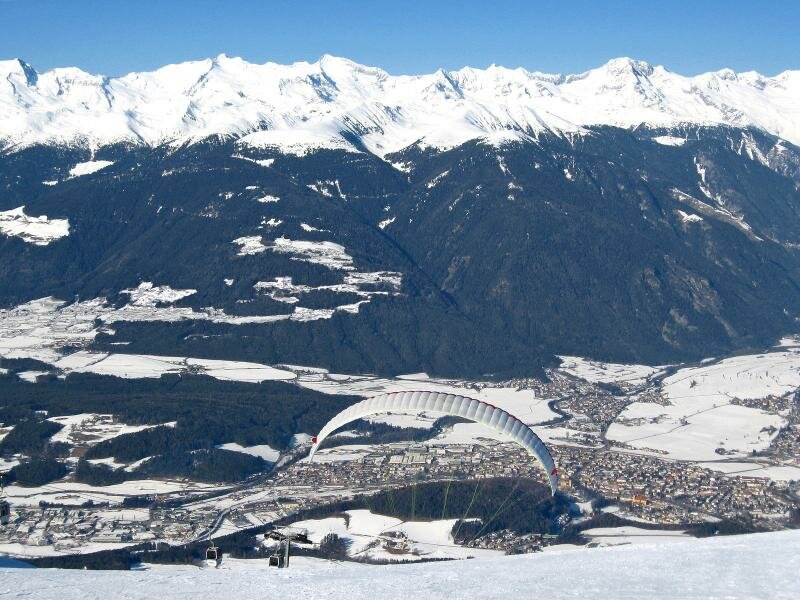
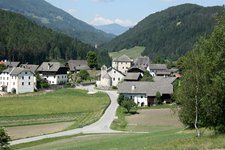
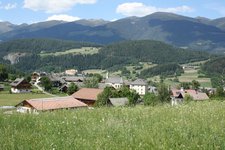
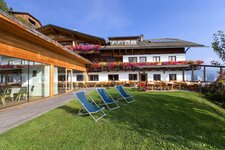
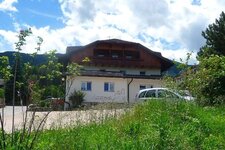
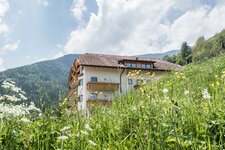
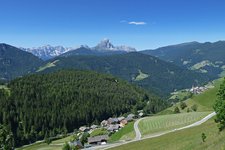
The municipality of S. Lorenzo extends between 748 m and 2,194 m a.s.l. near the drainage basin of the rio Gardena and Rienza river in the centre of the valley. The municipality is composed of the hamlets of Castelbadia, Santo Stefano, Sares, Mantana, Ronchi, Oines, Elle, San Martino, Palù and Floronzo and has 3,400 inhabitants. Thanks to its proximity to the Plan de Corones hiking and skiing area, this village is a sought-after holiday destination all year round.
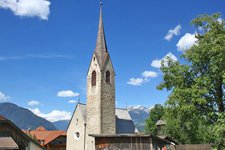
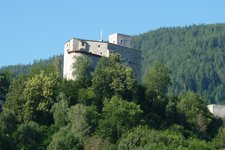
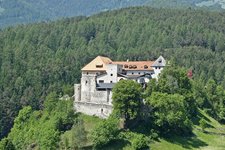
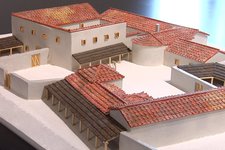
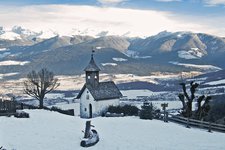
Castel San Michele, Castel Badia and the well-preserved typical farms are the main attractions of the municipality. San Lorenzo is also known for its Roman milestone, an important archaeological relic found in 1857. The original find was given to the Ferdinandeum museum in Innsbruck, whereas a copy of the milestone can be seen in the place where it was originally found. In Roman times, San Lorenzo was the administrative centre of the area of Sebato. On the Schraff hill along the shores of the Rienza river, the ruins of houses, warehouses and collective accommodations were brought to light. Another landmark is the Maria Sares pilgrimage church.
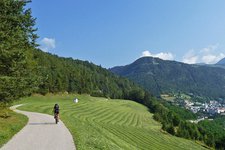
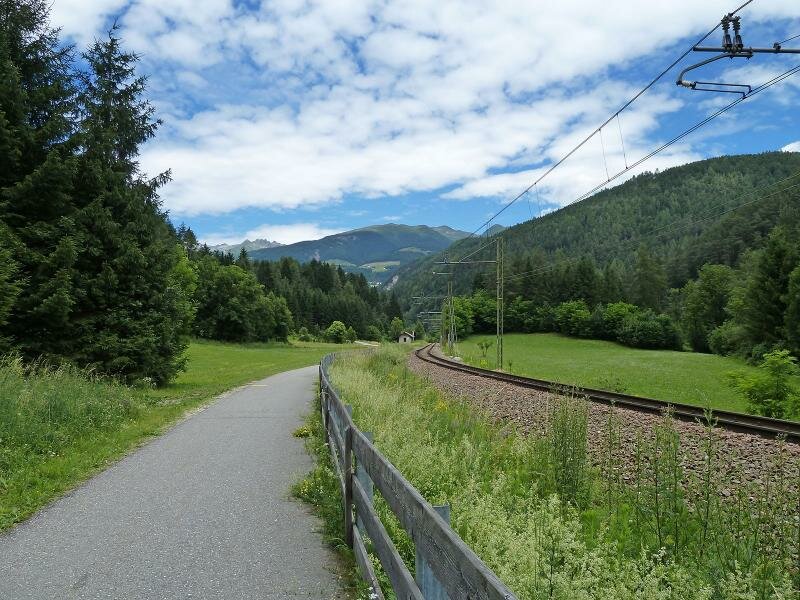
The Val Pusteria cycle path ensures memorable bike trips. The regional trains travelling along the Val Pusteria railway line take you back to your accommodation after a long day spent outdoors. The nearby Plan de Corones skiing area is easily accessible thanks to a shuttle service. In S. Lorenzo you are spoilt for choice!