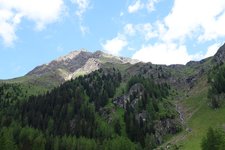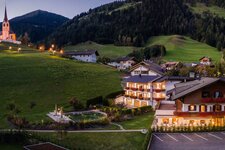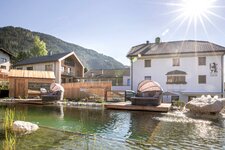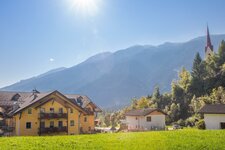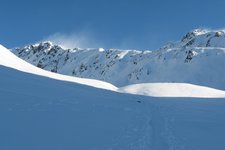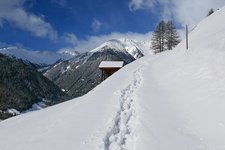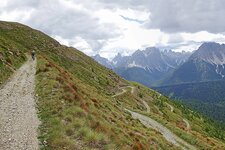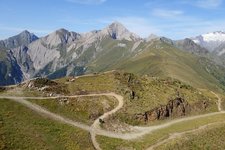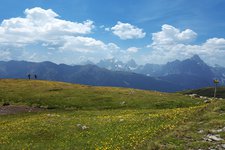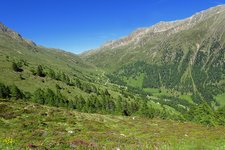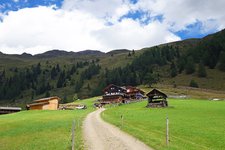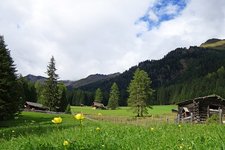
The Villgraten Mountains, also called Deferegg Alps, belong to the High Tauern and extend in South and East Tyrol
Image gallery: Villgraten Mountains
Embedded between the Venediger Group, Granatspitz Group, Schober Group, Gailtal Alps, Carnic Alpine Divide, Dolomites and Vedrette di Ries, there are the Villgraten Mountains, also called Defreggen Mountains or Deferegg Alps. Name-giving for this mountain range is the Villgratental valley in East Tyrol.
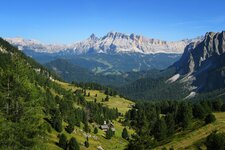
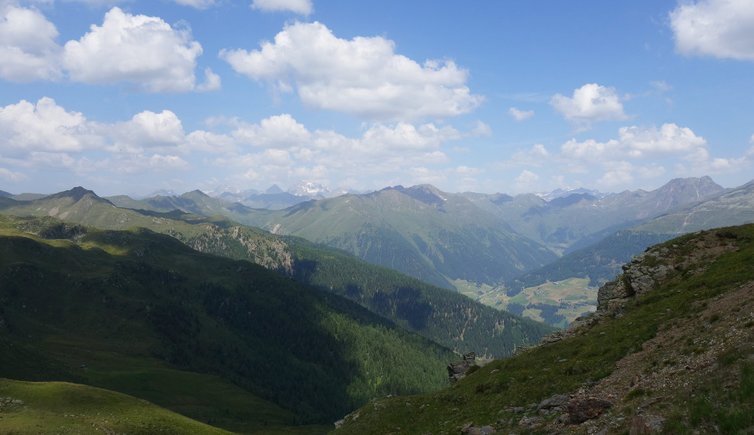
Compared to other mountain ranges, the Villgraten Mountains are rather unspectacular, as there are no mountains that exceed 3,000 metres. The highest summit is the 2,963 m high Weisse Spitze. Further peaks that are worth mentioning are the Rote Spitze (2,956 m a.s.l), Grosses Degenhorn (2,946 m), Hochgrabe (2,951 m) and Gumriaul (2,918 m).
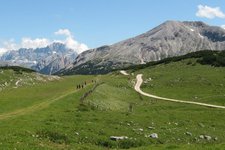
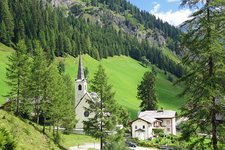
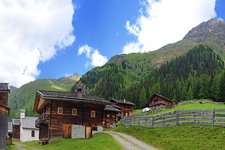
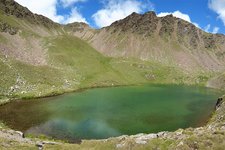
The Villgraten Mountains are rather silent peaks, there are hardly any cable-ways. Picturesque mountain lakes and a varied vegetation characterise this mountain range. Particularly popular for ski tours are the Val Casies in the Val Pusteria as well as the Villgratental valley in East Tyrol. The main mountain refuges are the Hochsteinhütte (2,032 m a.s.l), Gölbnerblickhütte (1,824 m) and Corno di Fana hut (2,340 m).
Highest peak: Mt Weisse Spitze (2,963 m a.s.l.)
Territory: South Tyrol, East Tyrol